Our project




Home for streetchildren
The voluntary association Home for Street Children ODV was created to support a project for the most vulnerable children and women in the territory of Mwenga, South Kivu, an eastern province of the Democratic Republic of Congo.
The project came about thanks to collaboration with the local nonprofit association " Msaada kwa Wanyonge asbl" ("support for vulnerable people" in Kiswahili) created by Dr. Ilaria Moneta (pediatrician) together with local partners, in particular Dr. Darock Mukobwela Lukula, director of the Mwenga hospital, who is its president.
Project Description.
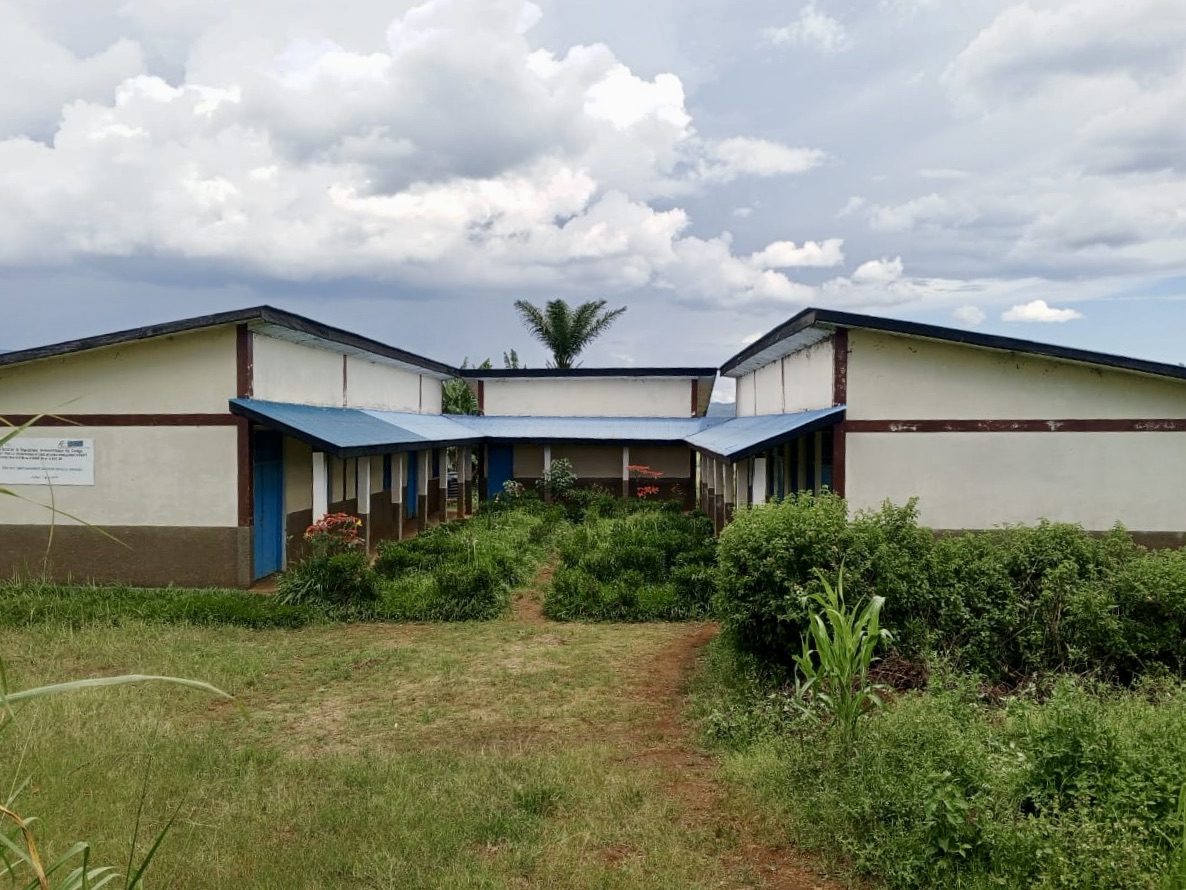
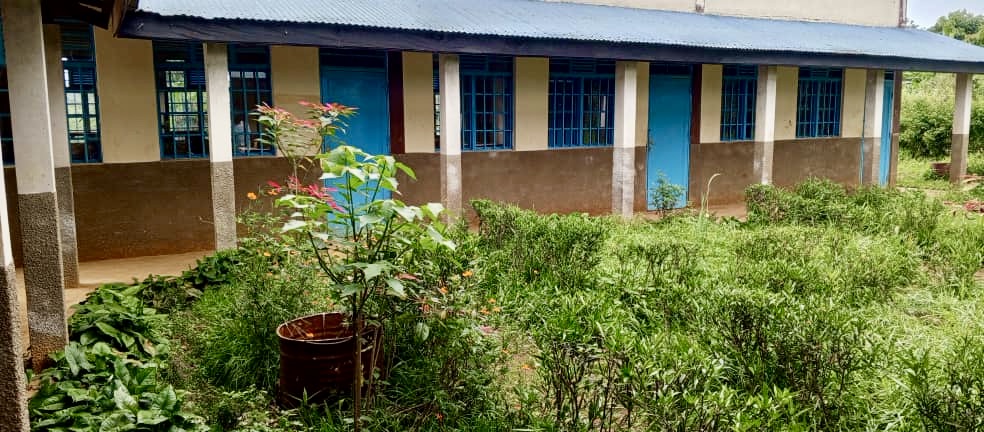
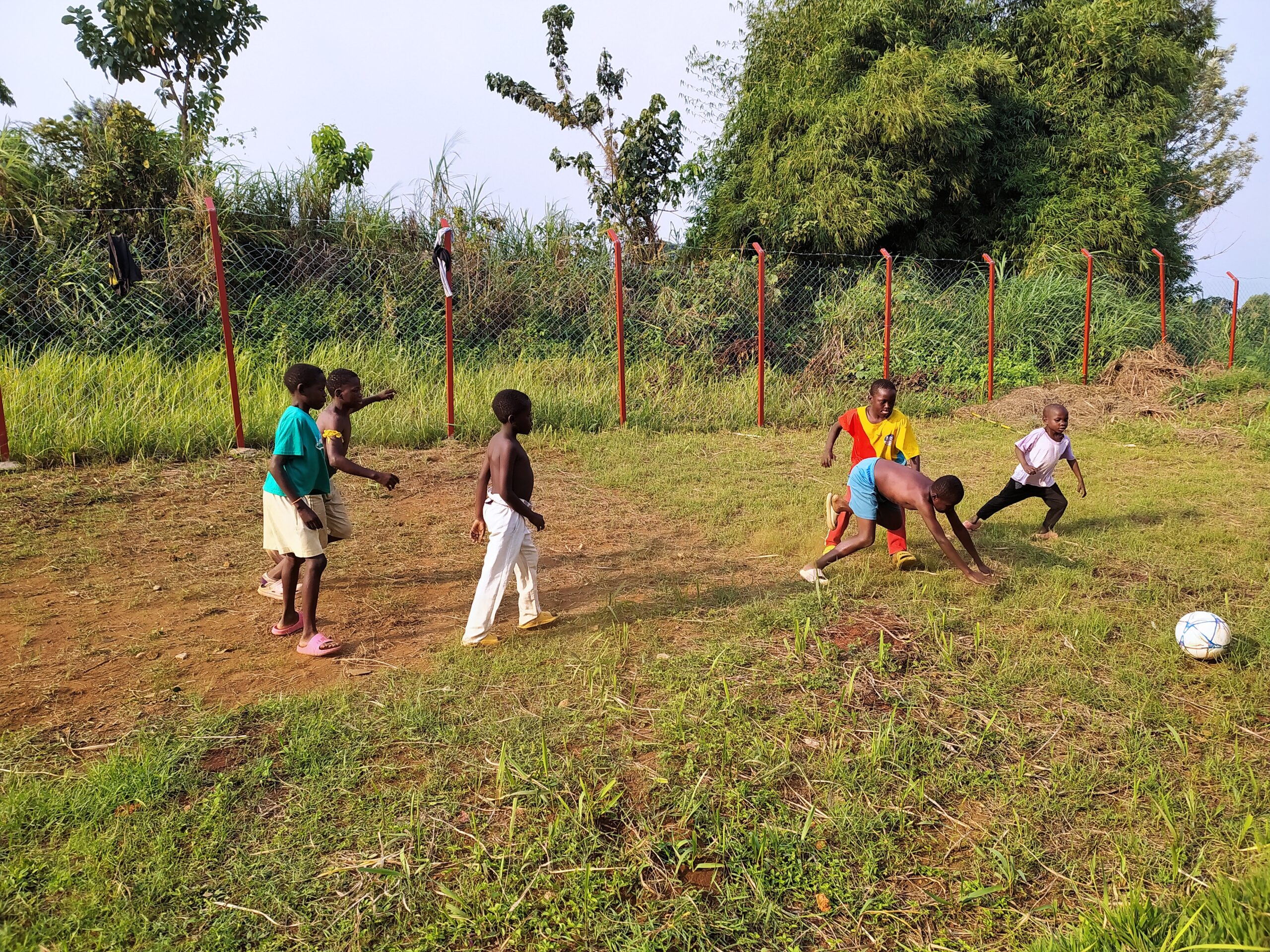
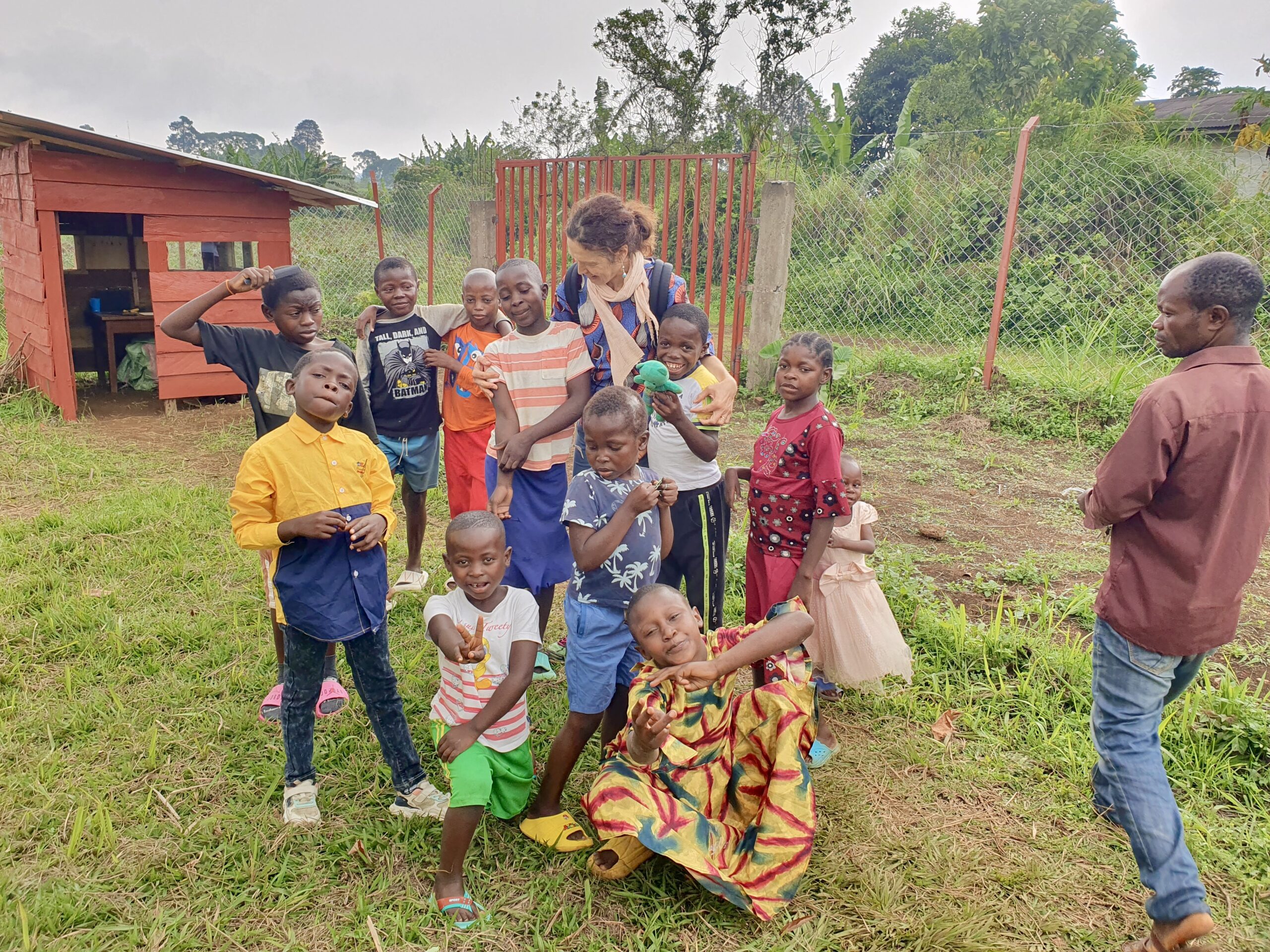
After long preparations, finally, on August 20, 2024, we opened the doors of Maison Msaada, in Mwenga Centre, the administrative center of Mwenga Territory, to the first group of 18 children aged 2 to 14, mostly from the nearby town of Kamituga. A good number of these children were living on the street, others, most of them orphans, were living in conditions of great neglect, some suffering from chronic diseases or neurodevelopmental disorders.
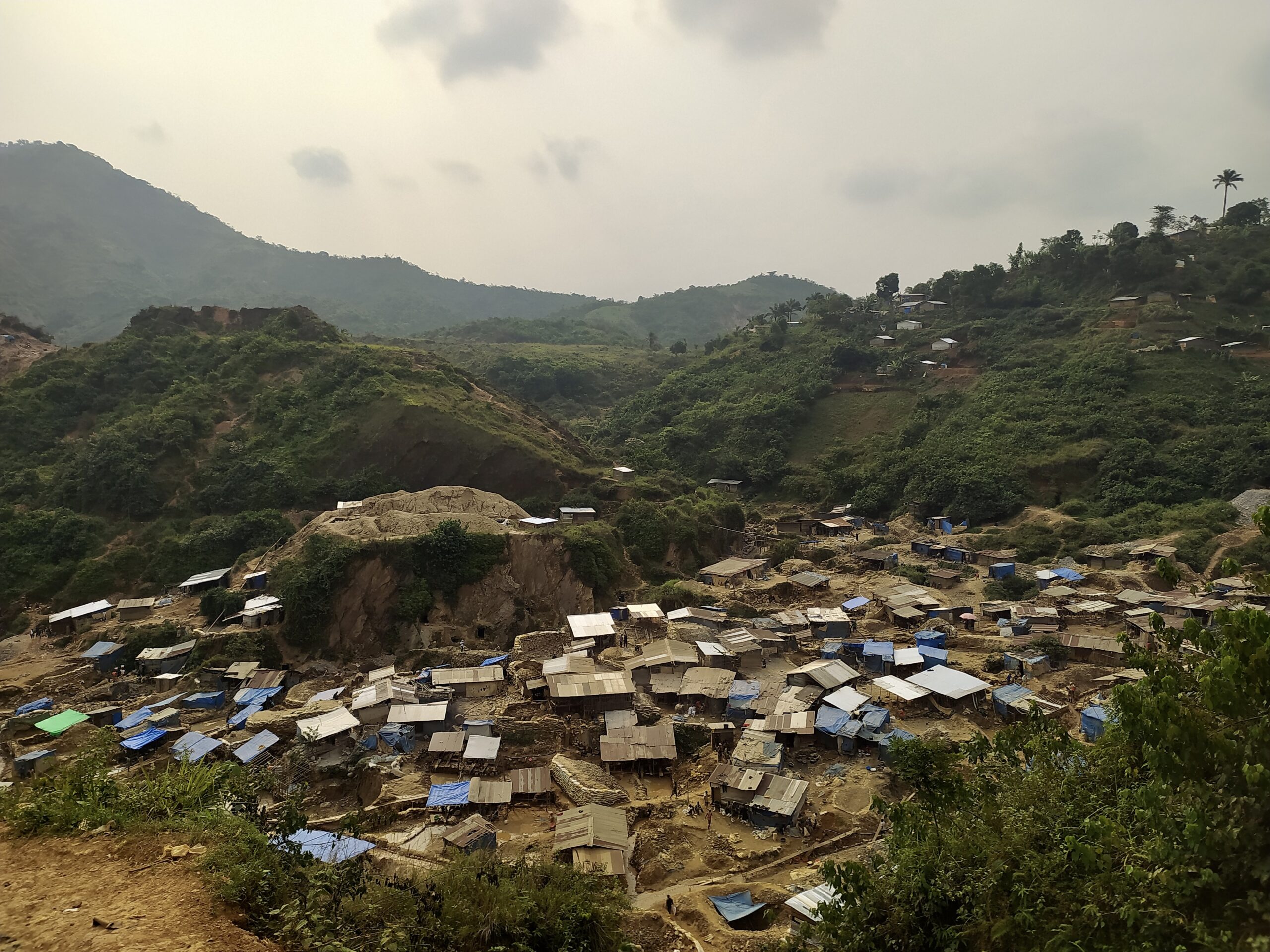
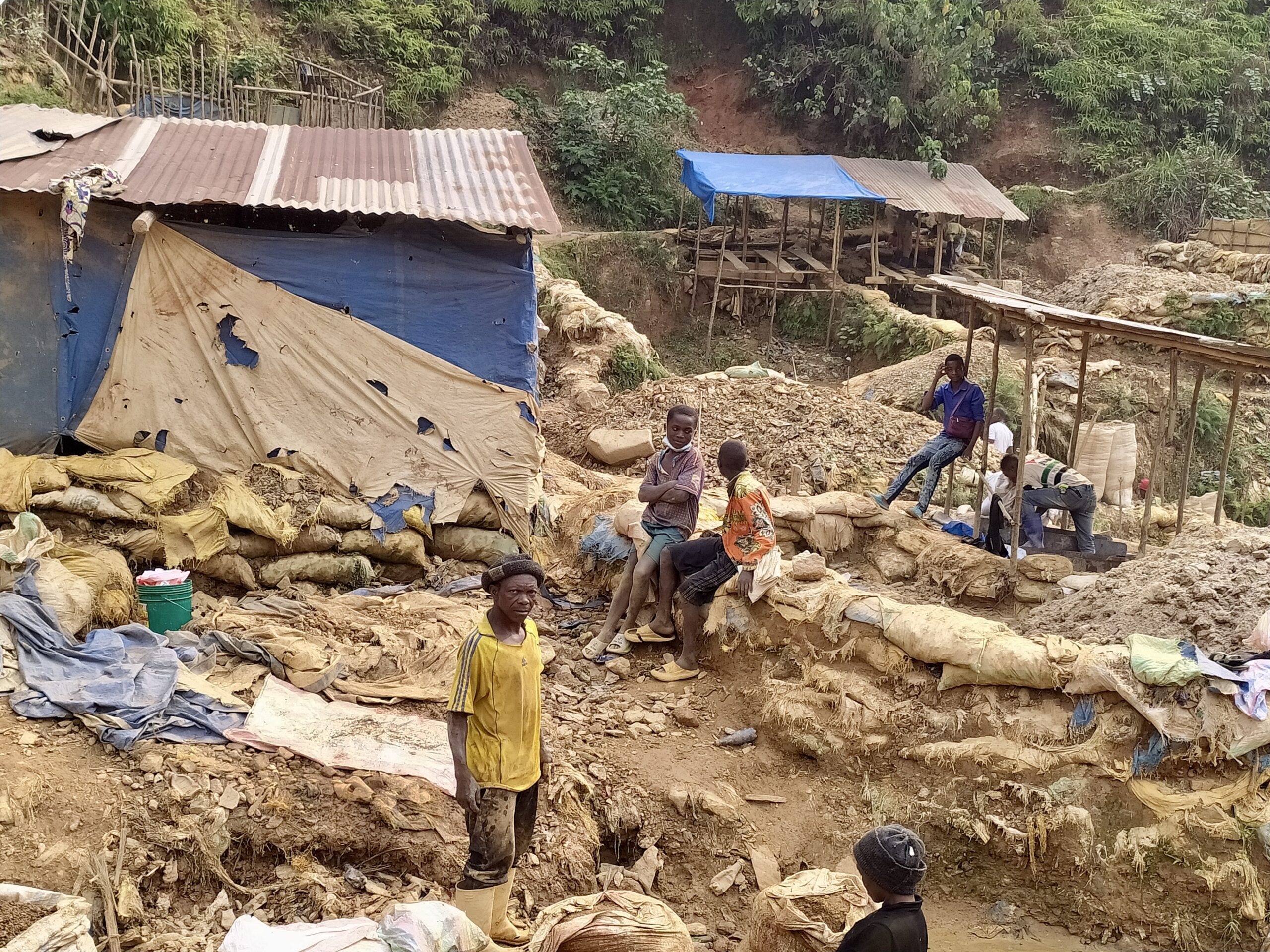
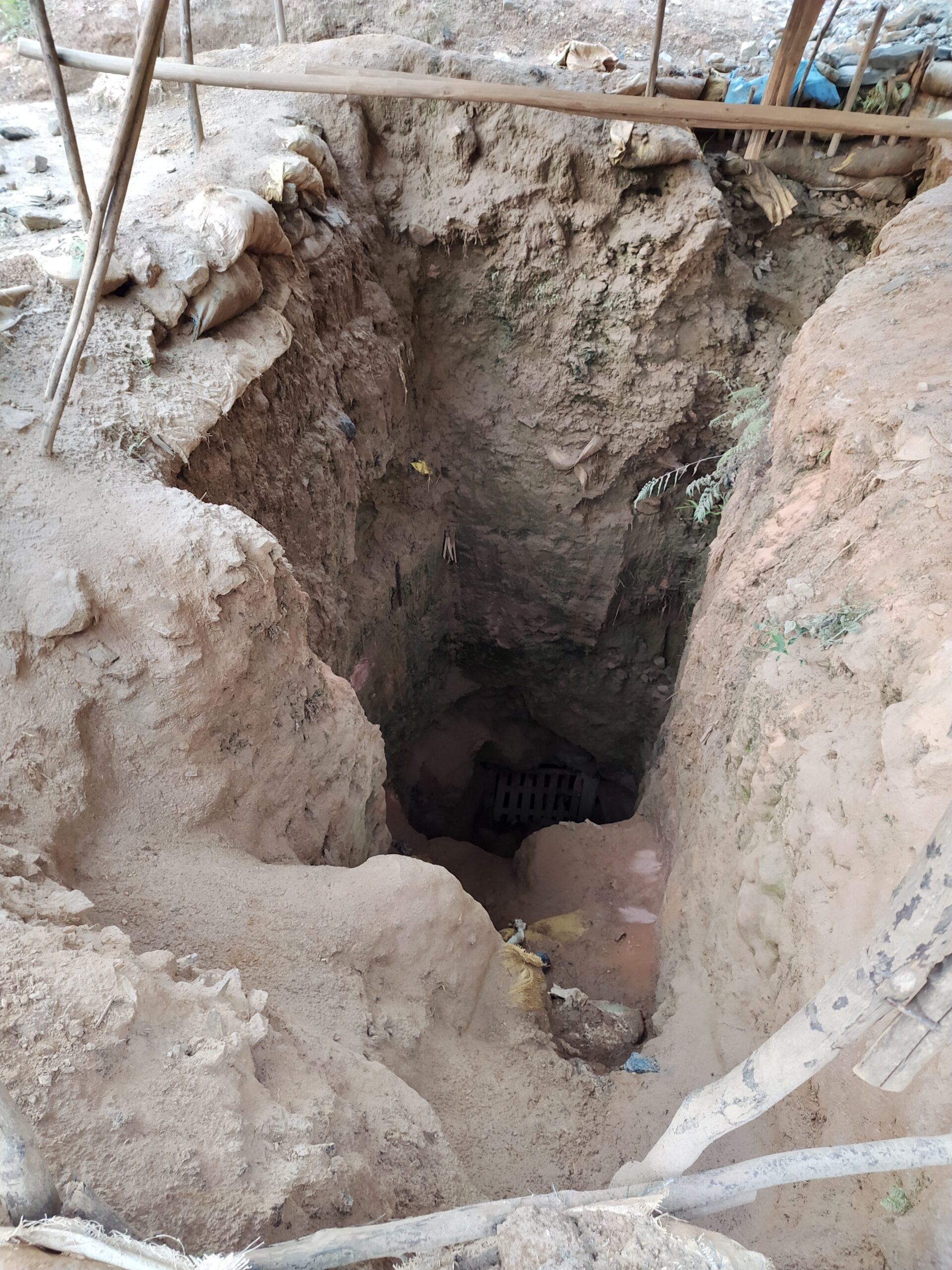
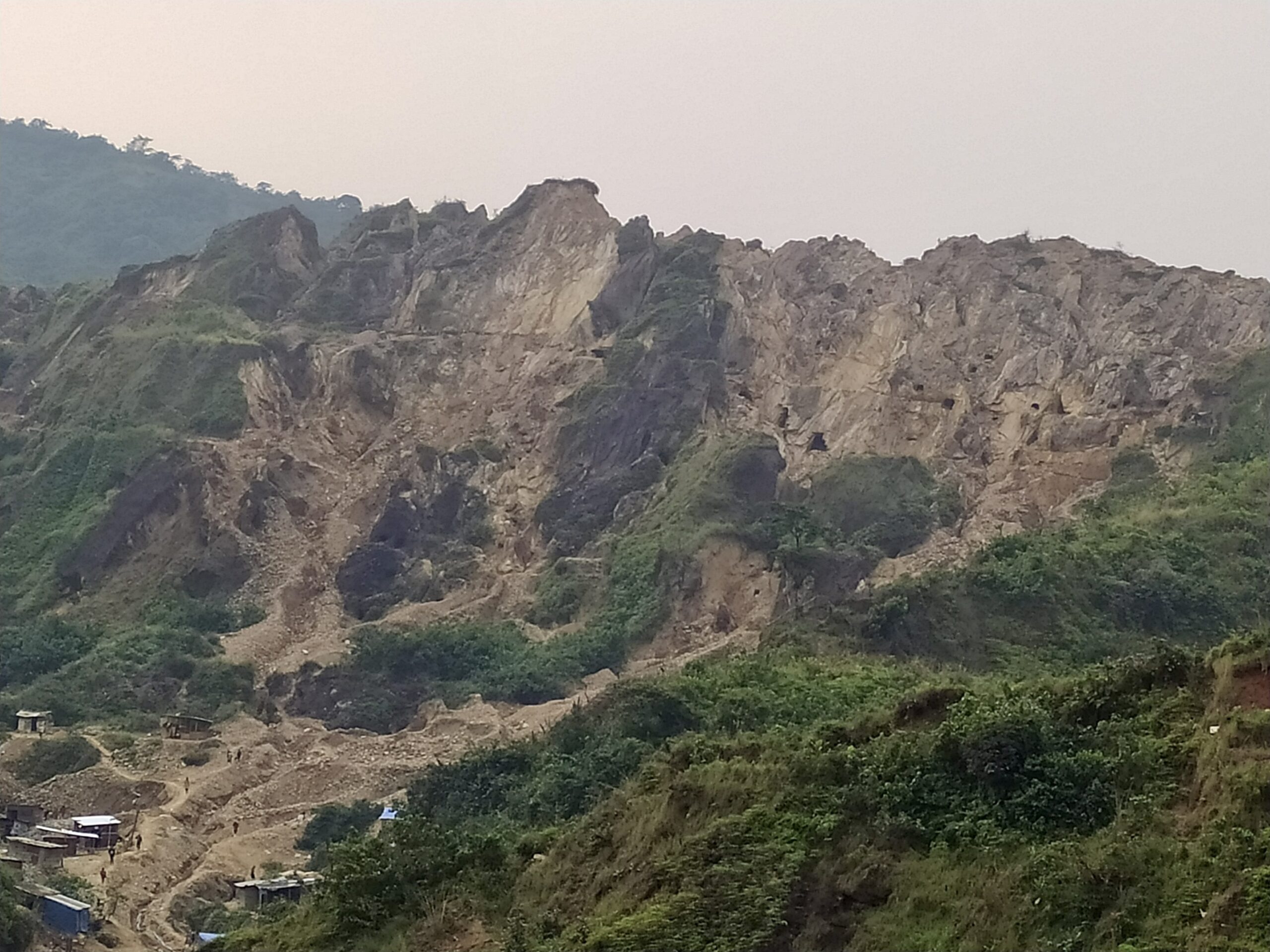
Kamituga is a rapidly expanding city due to the mostly artisanal exploitation of gold, coltan, cassiterite and other mines, which surround the city and are numerous throughout the area. The soil throughout the Mwenga region is extremely rich in minerals. Such exploitation, while enriching a few people, causes great misery. Many children are orphaned because of the death of their parents from mining accidents, tuberculosis or HIV (the incidence of often multi-resistant tuberculosis is very high, but official data are lacking). Many children are abandoned because their parents leave to work in the mines or in prostitution. Many thus remain on the street and often end up working in the mines.
The needs, especially in Kamituga, are immense; the level of education throughout Mwenga is very low. Many of our children between the ages of 11 and 14 could barely write their names when we welcomed them to the center.
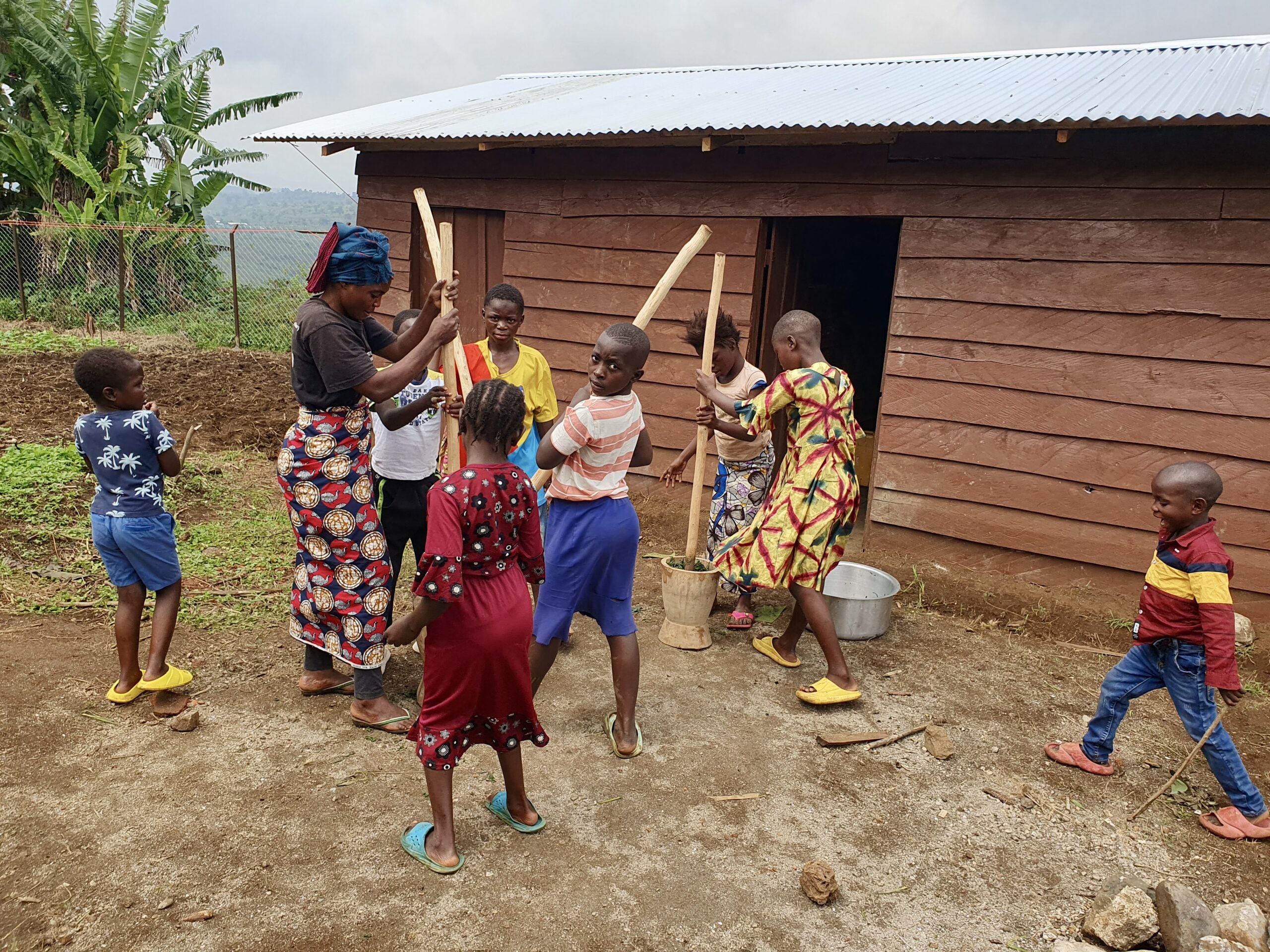
A few months after the opening of Maison Msaada, in addition to taking in more children from nearby villages (in all, about thirty boys and girls have passed through our center), we also started training ateliers in cutting and sewing for young single mothers and a follow-up activity for epileptic children in the community. These ateliers, which are now in their second year of operation, with a basic course and an advanced course, have involved about 30 girls as well. The epileptic children in the community who receive regular medication and medical and psychosocial follow-ups are currently about ten. With the intention of gradually achieving food autonomy at least for basic foods (cassava, maize, beans), agricultural activities have been started on more than two hectares of land (mostly rented, partly lent by the community) since July 2025.
The difficulties we are facing are many, of all kinds, but together with the local community, we believe in this project and want to carry it forward.
We would also like to create training schools for trades (carpentry, handicrafts, welding etc.) for young people 15 years old and up, who are too old to be taken in at our center, but who are at risk of ending up in prostitution, crime, and/or work in the mines. This will enable them, in the long run, to take charge and, above all, help others in the future.
Unfortunately, the humanitarian crisis situation that a large part of Kivu and in particular the Mwenga region is experiencing following the occupation of much of the territory by the M23 rebel armies since early 2025, has made it very difficult for us to even carry out basic activities. We therefore plan to set up some training ateliers, again aimed at street children, in the city of Bukavu, for now of much easier accessibility than Mwenga Centre or Kamituga.
We will need your help to be able to carry out all these projects, and to be able to continue the work with the children already selected and give them a good education. We also have room to accommodate several more children!
The context
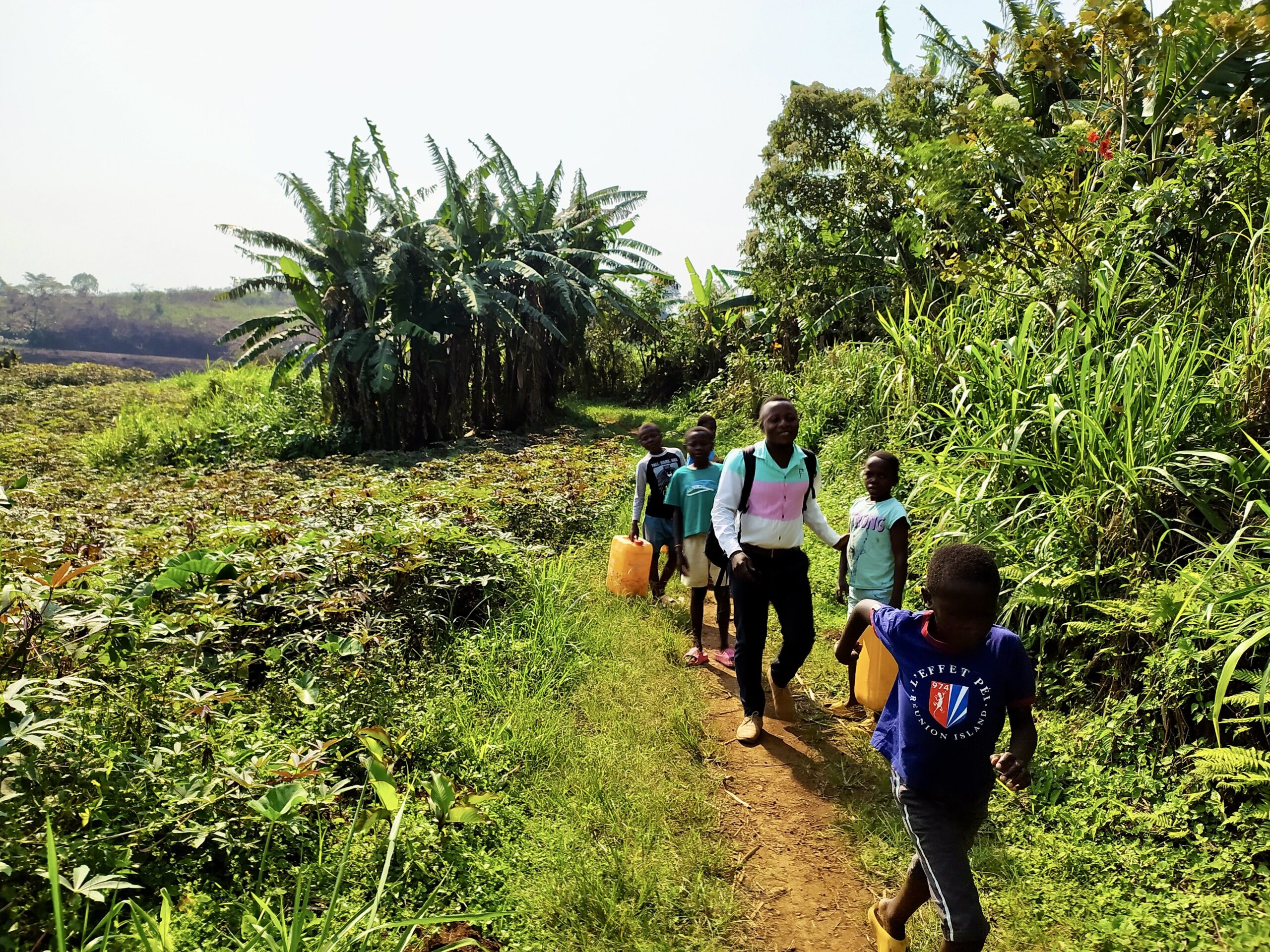
Mwenga Centre is a large village, amidst hills planted mainly with cassava, located about 40 km from Kamituga. It is a forest region, where the forest heritage is endangered daily by mining and agricultural exploitation and charcoal production.
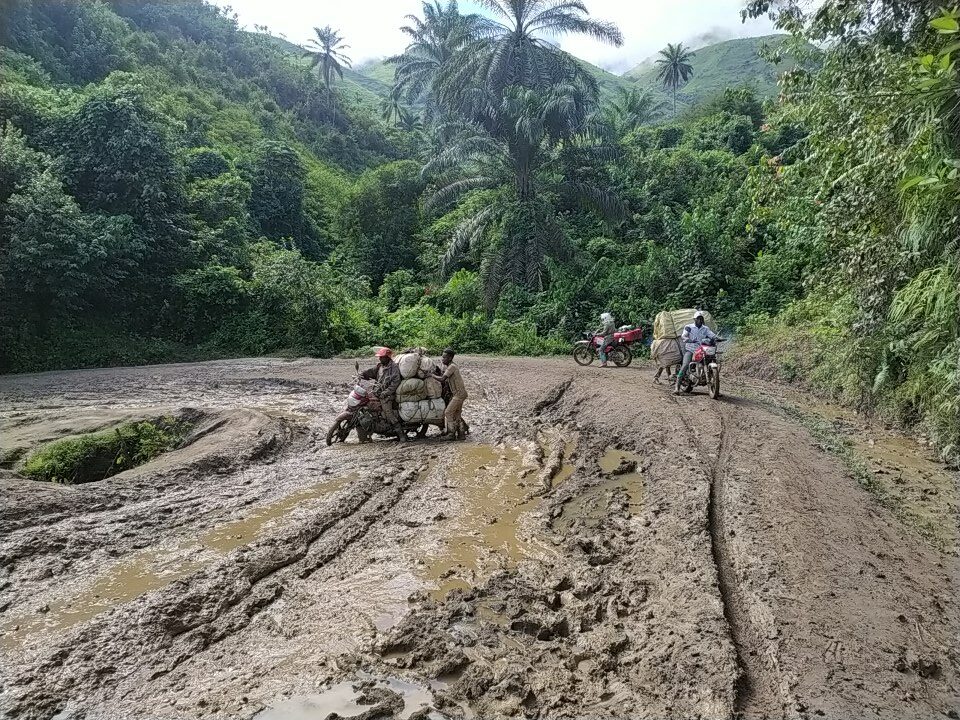
Kamituga is a growing town in Mwenga Territory, South Kivu, a region rich in minerals such as gold, coltan, wolframite, cassiterite and copper. Many people come to the town from all over the province and surrounding regions, seeking work, consisting mainly of largely artisanal mining and deforestation. Minerals are extracted using rudimentary methods, and exploitation of women and children in the mines is unfortunately common: women are usually assigned to carry heavy loads, and children used to advance in narrow tunnels dug into the earth. Fatal accidents are common, often as a result of tunnel collapse. Living conditions in the mining areas and downtown Kamituga, located on a major trade axis linking Bukavu (provincial capital) to the Mwenga region, encourage promiscuity and prostitution. The incidence of HIV and tuberculosis is particularly high. The abandonment of agriculture for mining work leads to a dependence on produce from Bukavu, but the conditions of the only dirt road linking the two towns, which becomes impassable at times even to motorcycles due to dl mud during the long rainy season, makes the cost of living very expensive for the locals, resulting in malnutrition and the abandonment of the household by children in search of food.
The population of street children (orphans, runaways, abandoned, children who have fled the war that has ravaged North Kivu for years, and since early 2025 has spread to cover much of North and South Kivu) is growing rapidly, especially in the country's large eastern cities (Bukavu and Goma), but also in the smaller urban center of Kamituga, where the estimated population is approx. 300,000, but expanding rapidly. A census has not been taken throughout the country for many years. Adding to the large number of abandoned, orphaned, or runaway children are the many children living in situations of profound neglect, including many children with chronic illnesses such as epilepsy and infant cerebral palsy, who cannot receive adequate care due to the high cost of any treatment at Kamituga Hospital, as well as the scarcity and low level of services provided. Lack of resources, lack of proper training and lack of hospital organization, together with chronic malnutrition of children and poor health of mothers, contribute to a high number of cases of neurodevelopmental disabilities.
Investing in the education, upbringing and rehabilitation of children is a priority to improve the local situation. However, the services and resources available are currently very limited, not to say absent, particularly in the Mwenga region, which remains isolated from the provincial capital (Bukavu) due to road conditions and, more recently, war. The humanitarian crisis situation throughout the region, while causing enormous difficulties in the daily continuation of our activities, makes our presence in the midst of the local community all the more necessary. This situation, which also causes repeated mass flight of the population and increase of internal refugees ("internally displaced people"), with the consequent increase of street children in the large cities of South Kivu, particularly Bukavu, is also making us think about how to reorganize our activities to come to the aid of the population in ways that are practically feasible.


